The Power of Disability Pride
Many young people struggle with self-esteem issues. For adolescents, this is the time when you’re developing your identity and figuring out where you fit in. Your body has changed, inside and out, and that can cause you to feel uncomfortable or self-conscious about your appearance. Aside from that, there are other reasons why young people may experience low self-esteem, from our culture of comparing ourselves to others on social media or TV to pressure to fit into social groups, to past trauma or criticism, and more.
If you’re a young person with a disability, you may feel like your difference is something to be ashamed of, or you might feel worried that if people know about your disability, they will treat you differently. These feelings can also contribute to low self-esteem.
If any of this sounds familiar to you, or if you often feel down about yourself or have low self-esteem, you’re not alone.
But here’s something you should always keep in mind when you start to feel that low self-esteem rearing its ugly head: You bring a lot of good to this world.
Different Perspectives Create Better Solutions
It’s true, and it’s not just us saying it! Research shows that people with disabilities enrich society by bringing fresh perspectives and creative solutions — this is often because they’ve had to navigate a world that wasn’t designed with them in mind. In the workplace, people with disabilities tend to remain in jobs longer, have better safety records, and have higher productivity than those without disabilities. They tend to be good problem-solvers, resilient in the face of change, and highly empathetic.
One study found that most people with disabilities excel in five characteristics: love of learning, honesty, appreciation for beauty and excellence, kindness, and fairness.
Additionally, disability rights activists have inspired some of today’s greatest innovations, from grab bars in bathrooms and showers to closed captioning on TV and many more. Their lived experiences helped them to see things in new ways, inspiring really important changes in society.
This includes one of our country’s greatest, most well-respected presidents, Franklin D. Roosevelt, who contracted polio at age 39 and, as a result, was paralyzed and required a wheelchair throughout his presidency. Roosevelt, who talked openly about his disability, is remembered for the many changes he implemented to help America recover from The Great Depression by establishing The New Deal as well as for helping America and its allies win World War II. It’s said that when his wife, Eleanor Roosevelt, was asked why he did so much for his country despite his disability, she replied, “No, no, no! He did those things because of his disability.”
People can often develop strengths because of their disabilities. For example, people with blindness or low vision may experience their other senses being heightened, making them excellent at active listening. People with ADHD may find that their need to frequently change tasks becomes a strength when they need to multitask at work, and the energy they bring can benefit everyone around them. And those with physical disabilities often show remarkable problem-solving abilities.
In other words, your disability is only one part of who you are, but it also makes you special and brings you gifts that you might not have considered before.
Why Having Disability Pride Matters
Having confidence and pride in who you are makes you feel good, and this leads to better mental health. One research study found that affirming your status as a person with a disability — in other words, accepting it and being open about it — is associated with lower anxiety and depression. It also helps you to feel part of a community.
LeDerick Horne is a poet, public speaker, and advocate for the disability community. He is also the author of a book, Empowering Students with Hidden Disabilities: A Path to Pride and Success. In the book and in his talks, he shares what he calls “the path to disability pride,” and that path takes the following steps:
- Acceptance of the disability: This involves having an understanding of the diagnosis and the challenges it presents but also that it’s only one part of the total person. They also begin to see their strengths and unique attributes that are also part of their identity.
- Self-disclosure: Once the person has accepted the disability, it’s time to be open about it and share it so that those around them can fully understand them, experience the pleasure of sharing their whole self with others, and legally ask for any needed supports or services.
- Use of supports/accommodations: Many people with disabilities fear that asking for accommodations will make them appear too needy or incapable, or that they will be denied opportunities or face stigma as a result. Asking for and using supports helps you to work smarter, not harder, so that you can have the best chance for success — that is a step toward disability pride. Denying yourself the help you need only sets you back.
- Self-advocacy: Once you feel empowered to disclose your disability and use the supports you need, you can speak up for yourself and your right to make your own decisions and have your needs met. When you advocate for yourself, you’re demonstrating confidence in yourself; you’re saying, “My words matter, and I deserve to be heard.”
- Connecting to the disability community: By connecting to others with disabilities, you can begin to feel that you’re not alone and that others have gone through some of the same challenges you have. It also helps to connect to those who are older — particularly role models, influencers, and coworkers — who can share wisdom about what they’ve overcome or help you to see what’s possible in your own life.
- Disability pride: This is the final step on the journey, the point when you can embrace your disability as just one part of what makes you YOU, and when you can truly say that you feel good about who you are.
National Disability Pride
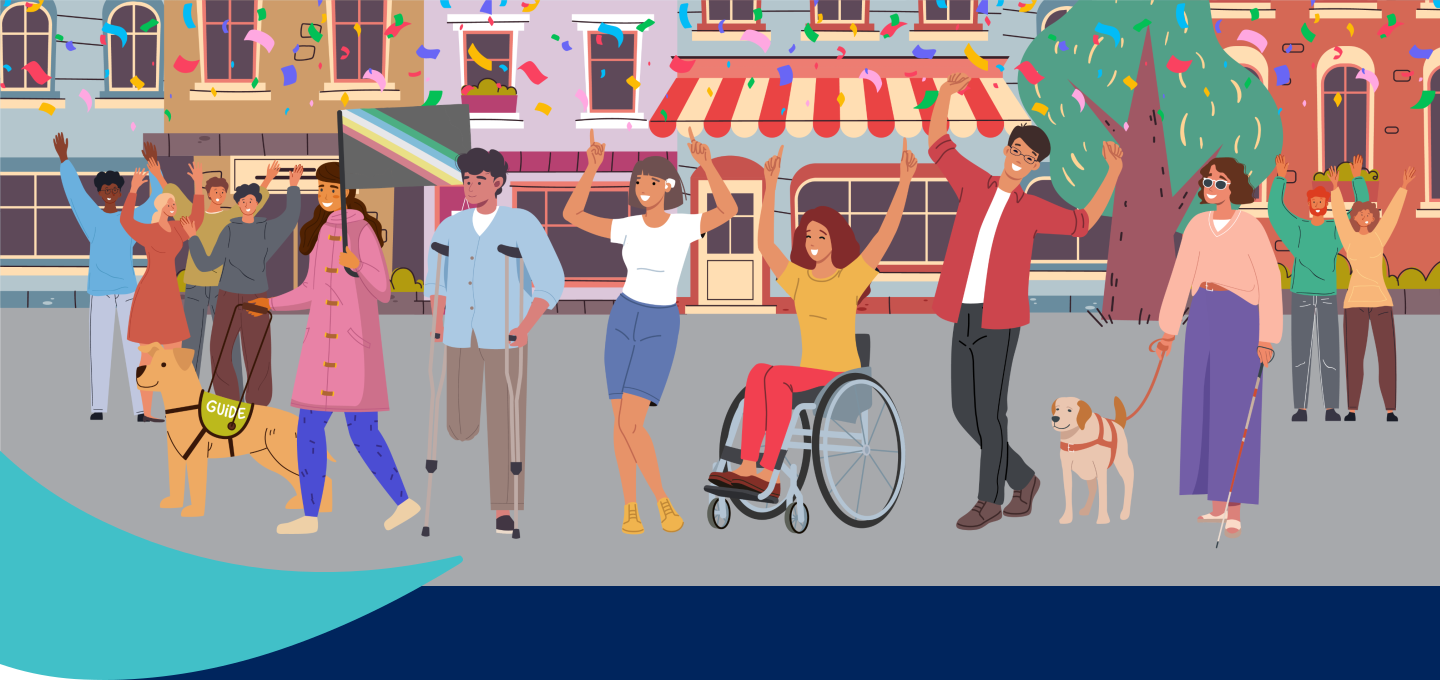
Each July, we celebrate Disability Pride Month to commemorate the passage of the Americans with Disabilities Act (ADA), a landmark piece of legislation for accessibility and inclusion in the U.S. As part of the celebration, a flag is used that holds great meaning for the disability community. The flag, which was created in 2019 by Ann Magill, a writer who has cerebral palsy, features six colored stripes running diagonally across a black background. Here’s what those colors stand for:
- Red: physical disabilities
- Gold: neurodiversity
- White: invisible disabilities and undiagnosed conditions
- Blue: emotional and psychiatric disabilities
- Green: sensory disabilities, including deafness, blindness, and other sensory disabilities
- Faded Black Background: mourning and rage for victims of ableist violence and abuse
All Americans are invited to demonstrate disability pride, which celebrates disability identity and community and recognizes the disability culture and leadership that exists. The month is about accepting who you are on your own terms, celebrating your rights to equal access and fair accommodations, and experiencing the joy of being part of a community and movement that challenges ableism and supports each other by constantly striving to challenge stereotypes and be treated fairly.
How you celebrate that is up to you, whether it’s done privately on your own or among others. You can use this month to advocate for changes, reach out to others for peer support, participate in events such as wheelchair races or festivals, share messages of awareness or support on social media, or something else that feels right to you.
Taking pride in who you are and all the ways you’re unique is important for your mental health, and it can be empowering as you become an adult. It’s not always easy — everyone has moments where they feel down about themselves. But remember that you’re not alone. There’s a whole community out there who supports you and believes in you.

